3 Oct 2026
The Dynamic Interplay Between Technological Advancements and Player Input in Online Gambling History
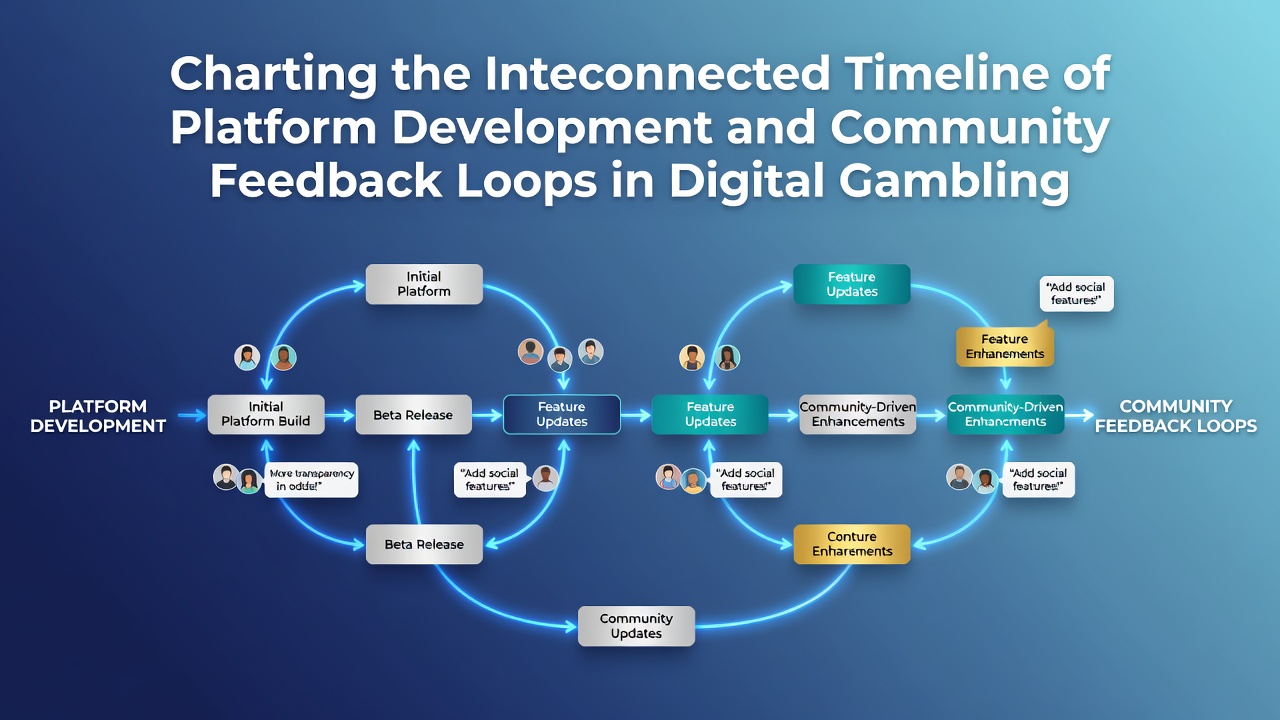
Digital gambling platforms began taking shape in the mid-1990s when basic websites offered limited casino games to early internet users, and developers quickly noticed patterns in player complaints about slow loading times along with limited game variety which prompted initial upgrades to server infrastructure and software interfaces. Those early adjustments set the stage for more structured feedback mechanisms as forums and email surveys became common tools for gathering direct input from participants across different regions.
Early Development Phases and Initial Community Signals
By the early 2000s several operators had introduced downloadable software clients after users reported frequent browser compatibility issues, while data collected from support tickets revealed preferences for higher payout percentages and faster withdrawal processes that led companies to integrate new payment gateways and random number generator certifications. Observers note that these changes coincided with the rise of affiliate marketing networks where player reviews started influencing marketing strategies and product roadmaps in measurable ways.
Researchers tracking industry shifts point out that regulatory frameworks in places like the Isle of Man and later jurisdictions such as New Jersey began requiring transparency reports around the same period, and operators responded by publishing audit results that community members then discussed in dedicated online spaces. This exchange created loops where public commentary directly informed subsequent platform iterations, including the addition of responsible gaming tools like deposit limits and self-exclusion features.
Expansion Through Mobile and Real-Time Interactions
Mobile accessibility emerged as a major turning point around 2008 when smartphone adoption accelerated, and feedback from users highlighted the need for touch-optimized interfaces along with location-based restrictions that complied with varying state laws. Platforms incorporated geofencing technology and responsive design elements as a direct result, while live dealer options gained traction after community polls showed strong interest in replicating physical casino atmospheres through streaming technology.
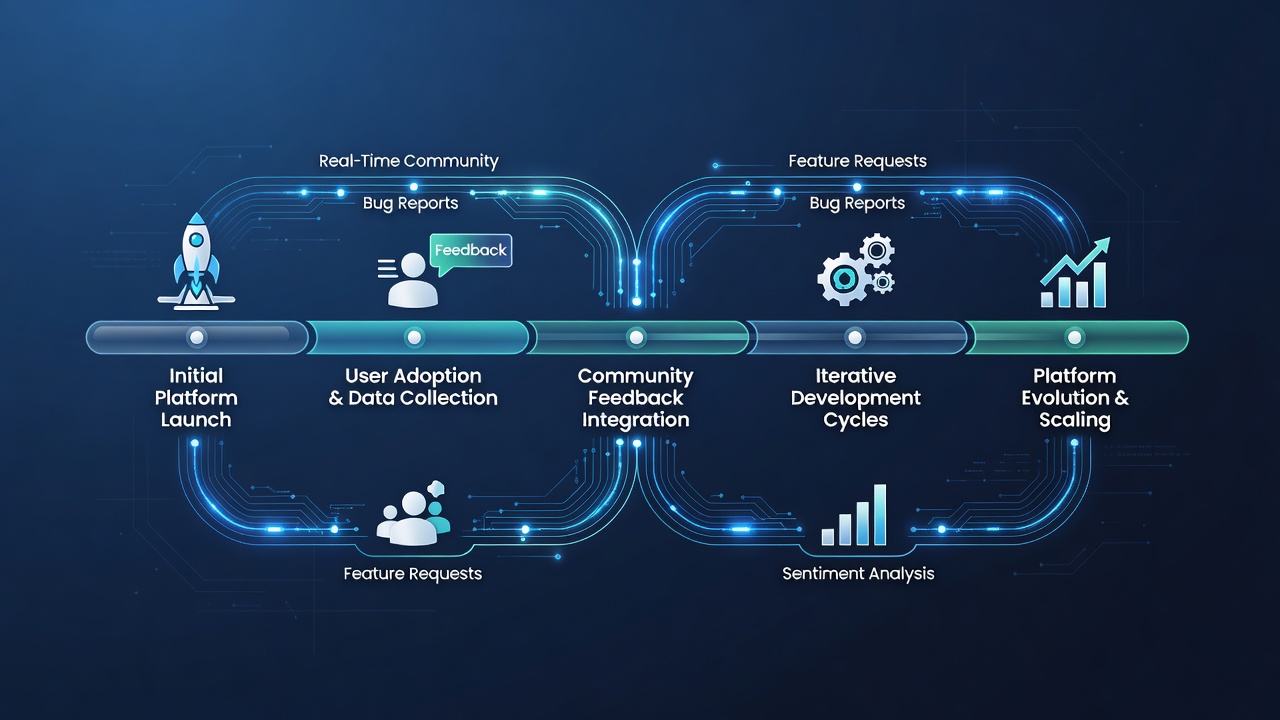
Studies from academic institutions have documented how social media channels amplified these signals, allowing operators to monitor real-time sentiment and adjust bonus structures or game libraries accordingly. Data from sources including the American Gaming Association shows steady growth in mobile gambling revenue through the 2010s, driven in part by iterative releases that addressed specific user-reported pain points around connectivity and payment security.
Integration of Advanced Analytics and Global Regulatory Influences
Artificial intelligence and machine learning entered the picture more prominently after 2015 when operators began analyzing large datasets of player behavior to predict churn and customize experiences, yet community forums continued to highlight concerns about algorithmic fairness and data privacy which spurred additional layers of third-party verification. In October 2026 several major platforms rolled out enhanced transparency dashboards that display how feedback categories correlate with recent updates, reflecting ongoing adaptation to regulatory expectations in markets such as Australia and parts of Canada.
Industry reports from organizations like the European Gaming and Betting Association indicate that feedback loops have shortened development cycles from months to weeks in some cases, as automated sentiment analysis tools process reviews from multiple languages and regions simultaneously. Those who've examined these systems note connections between community-driven requests for features like cryptocurrency support and subsequent integrations that appeared on platforms within six to twelve months of widespread discussion.
Conclusion
The timeline of digital gambling platform development reveals consistent patterns where user input has intersected with technological capabilities and regulatory requirements to produce incremental changes across decades. Evidence from regulatory filings and industry analyses demonstrates that these interconnected loops continue to shape features ranging from security protocols to game mechanics, with data from diverse geographic sources confirming the role of community signals in guiding long-term evolution. As platforms incorporate more sophisticated analytics by late 2026, the relationship between player feedback and development priorities remains a central element in the sector's ongoing trajectory.